Trying to decide between the low maintenance and long-term durability of composite decking or the genuine look of a pressure-treated wood and its affordable initial investment? We get it! This is a big decision! When choosing your decking material, it’s important to weigh things like durability, beauty, maintenance, and cost—not just upfront, but down the road too.
Let’s break down the facts about wood and composite decking so you can move forward confidently, knowing you picked the best option for your long-term needs.
Decking Facts: Composite vs. Wood
Visual Appeal
Composite – This versatile decking material comes in a variety of colors, so you can customize your deck’s aesthetics to pair perfectly with your home exterior. Just make sure you love the color and look because you can’t change the hue once your deck is installed. Composite decking also offers a variety of design options, giving you every opportunity to build a custom deck that’s perfect for your needs.
Wood – The authentic look of pure wood is loved by many. If you choose wood decking and you enjoy a particular color of stain now, but change your mind and want to try something different in a few years, that’s completely doable! You may even want to paint your deck instead of staining it. No problem! That works perfectly when you install a wood deck.
Upkeep
Composite – One of the most distinct advantages of composite decking is that it needs very little maintenance. You won’t have to sand, seal, stain, or paint your composite deck—so you’ll have more time to enjoy life! Simply wash your backyard deck twice a year to keep it looking its best. That’s it!
Wood – If you love the genuine beauty of real wood decking, you’ll need to roll up your sleeves and maintain it to avoid costly moisture damage. What does that upkeep look like? Honestly, it can be tedious—but it’s hard to beat the warmth of real wood’s looks, so you’ll need to weigh your priorities when making a decision about your new deck’s material.
The Indy climate plays a part in how often your wood deck needs upkeep, but in general it will require sanding, sealing, and staining (or painting) every 2-5 years. This is a sizable commitment, so make sure you are willing to do the work before choosing a wood deck. Additionally, you’ll need to clean it twice a year.
Cost
Composite – The initial investment for composite decking is greater than wood, but keep in mind the annual maintenance costs of wood decks are significantly greater than composite’s (which are approximately zero!). Within about ten years, composite decks typically outperform wood decks when it comes to their cost.
Wood – A pressure-treated wood deck is more cost-effective upfront, but its upkeep is much steeper and will cost you money and time—regularly. The physical labor required to maintain wood decking properly and the repairs wood often requires are worth careful consideration before deciding on which material will work best for your long-term needs.
Lifetime Value (Durability)
Composite – Composite decking lasts up to 50 years due to its strong make up. They are insect resistant and rot resistant, ensuring they maintain their gorgeous looks. Composite decking is also scratch resistant, splinter resistant, and stain resistant. It won’t warp or bow because it is moisture resistant. This outstanding decking option won’t fade because it is UV resistant, so it will keep looking good over the years.
Composite decks also come with excellent warranties. For example, Trex (a trusted manufacturer of composite decking) stands behind their boards and accessories for 25-50 years. This gives homeowners confidence when investing in a new deck.
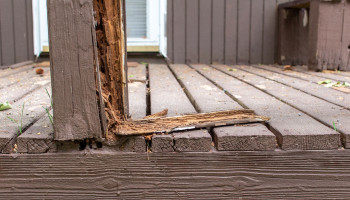
Wood – This beautiful decking option lasts 10-30 years. The type of wood that is used will play a part in its longevity. If wood decking isn’t treated or isn’t maintained properly, it can become susceptible to warping, cracking, splintering, mold growth, rotting, and weakening—which (if left unaddressed) could compromise safety. If moisture infiltrates a wood deck, insects and pests can become a problem. Softwoods should be treated with chemicals to waterproof them and keep pests at bay. When wood decking is installed by an experienced team of professionals and maintained over its lifespan, it will last longer than a DIY project that isn’t well maintained.
Sustainability and Environmental Impact
Composite – This is the clear favorite for those who are environmentally conscious. Why? Because composite decking is made from recycled materials, so you’re guaranteed a better carbon footprint. This decking material lasts longer because it is so durable. It requires such little maintenance or cleaning, homeowners use less resources and chemicals in its upkeep. That’s a win for those who value eco-friendly choices!
Wood – Using pressure-treated wood contributes to deforestation. And wood requires a variety of chemicals to keep it looking good while putting moisture intrusion at bay. The products needed to maintain a wood deck properly negatively impact the environment, making wood a less eco-friendly option than composite decking.
Enhance Your Outdoor Living with a Beautiful New Deck
While sifting through the facts about composite vs. wood decking, which one stood out to you? Is your preference the beauty of genuine wood and its affordable upfront cost (meaning you’re ok with its maintenance needs)? Or do you prefer the simple upkeep and longevity of a composite deck (meaning the upfront investment is worth its low maintenance and a lifespan of up to 50 years)?
The good news is, you don’t have to figure this out alone. At Craftsman Exterior Remodeling, we take time to sit down with you, listen, and understand what you truly want in your new decking—or other exterior upgrades—so we can make sure you are happy with the end results! Don’t miss out on the solutions we offer. Learn more about our decking services today and be on your way to refreshing outdoor living!